

 See My Latest Article on HelloNation
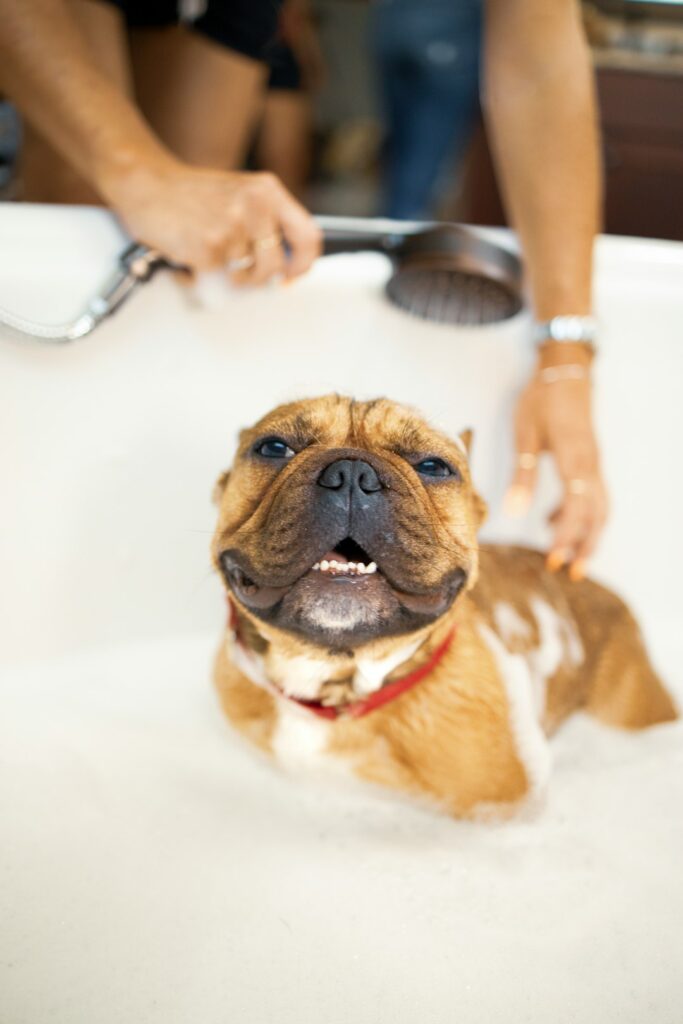
What Defines Sensitive Skin in Local Pets?
Sensitive skin in pets refers to a heightened reaction to environmental conditions, grooming products, or allergens that wouldn’t affect most animals. For pet owners in Southern Pines, NC, this often appears as persistent itching, redness, flaking, or recurrent skin infections. The city’s humid summers and fluctuating pollen counts can trigger or worsen symptoms in both dogs and cats, making gentle skin care a common topic of concern.
Sensitive skin may have several underlying causes:
- Environmental allergies, such as grass, pollen, or mold
- Food sensitivities
- Reactions to harsh grooming products
- Parasites like fleas or mites
Identifying and managing these issues is a first step, but daily choices—including shampoo selection—play a big role in relief.
Why Does Shampoo Choice Matter for Sensitive Skin?
The type of shampoo used on pets with delicate skin can either soothe or aggravate symptoms. Many commercial pet shampoos have strong fragrances, detergents, or artificial colors that strip away protective oils. In Southern Pines, frequent outdoor activity and exposure to sandy soils or local allergens also mean more frequent baths for active pets.
Key features to look for in a gentle shampoo:
- Hypoallergenic formulas free from dyes and perfumes
- Mild, pH-balanced ingredients suited to species (canine or feline)
- Additives such as oatmeal, aloe vera, or coconut oil, which help calm irritation
- Absence of sulfates, parabens, and alcohols that can dry skin further
Pets with sensitive skin often benefit from products specifically labeled as mild or for sensitive skin, but always check the ingredient list for hidden irritants.
What Ingredients Should Local Owners Be Cautious About?
Many pets react to unnecessary additives in grooming products. In humid or rainy stretches of Southern Pines weather, pets might be bathed more frequently, increasing their risk for irritation. Avoiding certain ingredients can help prevent skin flare-ups:
- Artificial fragrances and dyes—common triggers for allergies and itching
- Sodium lauryl sulfate (SLS) or sodium laureth sulfate—these detergents cleanse but can be harsh
- Methylisothiazolinone and parabens—preservatives that sometimes cause dermatitis
Instead, ingredients like colloidal oatmeal, natural oils, and unscented bases are gentle alternatives, especially for animals with chronic skin troubles.
How Often Should Sensitive Pets Be Bathed in the City’s Climate?
In Southern Pines, the need for regular baths may increase during hot, sticky months or when pets collect extra pollen or dust outdoors. However, over-bathing can remove natural oils, making sensitive skin worse.
General guidance:
- Bathe only when visibly dirty or after exposure to possible allergens
- During allergy season, pets might need more frequent rinses with just water or gentle, soap-free cleansers
- Always dry pets thoroughly to prevent moisture-related skin issues, which can arise with the region’s humidity
If ongoing skin problems persist despite careful bathing routines, a veterinarian can provide tailored advice based on your pet’s skin health and lifestyle.
Do Sensitive Skin Shampoos Differ by Species?
Yes, dogs and cats have different skin pH and tolerances. Shampoos formulated for one species may not be safe for another. For example, ingredients safe for dogs may be toxic to cats. Residents should always check that the product explicitly states suitability for their animal before applying.
- Canine skin: Slightly more alkaline, may tolerate more oat-based or soothing formulas
- Feline skin: More acidic and often more reactive to chemicals; avoid tea tree oil or products labeled “dog only”
If you care for both dogs and cats in the same household, keep separate grooming products and double-check each label before use.

Are Homemade Shampoo Alternatives Safe for Sensitive Skin?
Some local pet lovers look for natural or homemade options. Basic recipes with unscented castile soap, diluted with water and perhaps a bit of oatmeal or aloe, are generally less likely to cause irritation. However, essential oils (like tea tree or peppermint) can be extremely potent and should be avoided unless safety for the species is well established.
Homemade solutions should be used cautiously:
- Always dilute heavily to reduce residue
- Rinse thoroughly to prevent build-up
- Monitor pets for increased scratching, redness, or discomfort after use
Testing a small amount on a patch of skin and waiting 24 hours before a full bath can help prevent an unexpected reaction.
What Are Signs That a Shampoo Isn’t Working for Sensitive Skin?
After switching shampoos, local pet owners should watch for signs of adverse reactions, especially during environmental allergy seasons:
- Continued or escalated itching or licking
- New areas of redness or rash
- Excessive shedding or skin flakes
If symptoms appear worse after a bath, discontinue the product and discuss options with your veterinarian. Sometimes, additional changes—like air filtration at home, new bedding, or dietary tweaks—are needed alongside gentle grooming.
Common Misunderstandings About Sensitive Skin Care
Many believe that all-natural means safe, but some botanical ingredients are surprisingly harsh or allergenic. Similarly, bathing more often doesn’t always help and can, in fact, lead to increased sensitivity. Products made for humans—even labeled “gentle”—are rarely suitable for animals, given different skin pH and absorption patterns.
In areas like Southern Pines, with abundant green spaces and local wildlife, it’s especially helpful to brush pets regularly. This dislodges pollen and debris before a shampoo is even needed, reducing how often sensitive skin must deal with soap.
How Can Households in the Community Support Ongoing Skin Health?
Beyond shampoo selection, sensitive skin management for pets in the city relies on broader routines:
- Wipe paws and coats after walks—especially during high pollen times—to reduce allergens
- Use soft, clean bedding and avoid frequent use of strong laundry detergents
- Regularly check for flea and tick activity, which can go undetected in thick or long fur
Community resources such as local parks and natural trails are wonderful for socialization but can contribute to exposure, underscoring the need for gentle care routines and careful observation.