

 See My Latest Article on HelloNation
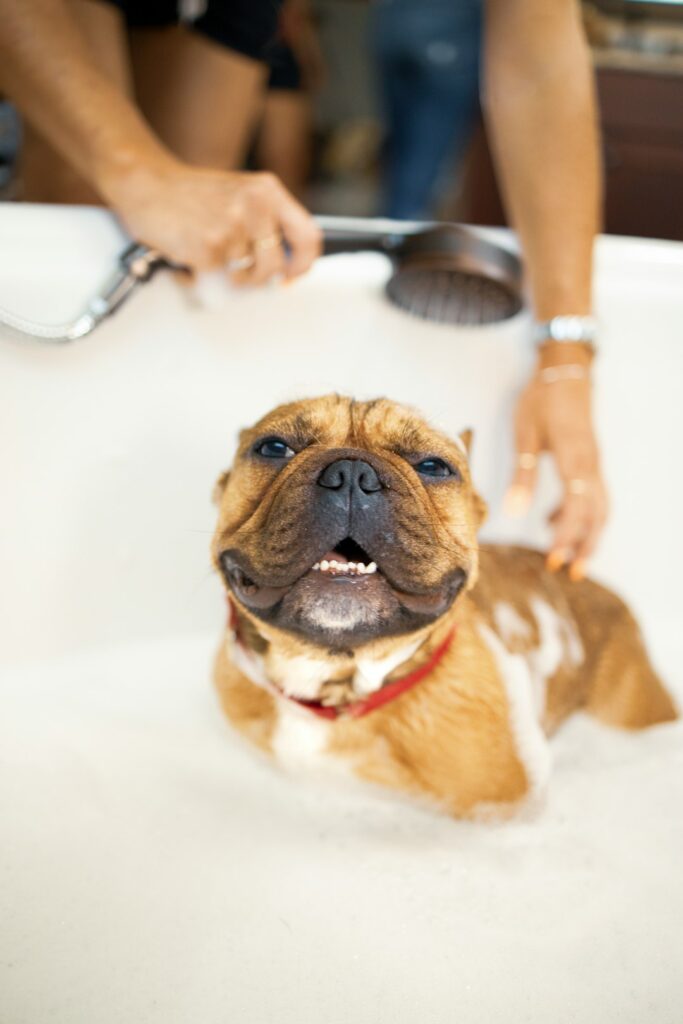
How Can Grooming Reveal a Pet’s Health Problems?
Grooming is more than just keeping a pet clean—it provides a crucial routine for monitoring general health. When those living in Southern Pines, NC brush, bathe, or trim their furry companions, they naturally get a closer look at skin, coat, ears, eyes, nails, and overall body condition. This hands-on attention can reveal health changes that might otherwise go unnoticed until they become serious.
What Health Issues Can Be Spotted During Routine Grooming?
Brushing and bathing provide a unique chance to observe subtle changes. Residents of the area often find:
- Abnormal lumps or bumps, which might signal cysts, warts, or tumors
- Fleas, ticks, and signs of parasites (important in the local tick-friendly climate)
- Bald patches, redness, or hot spots hinting at allergies or infections
- Unusual odors from ears, skin, or mouth
- Excessive shedding beyond expected seasonal patterns
Nail clipping can reveal injuries or infections, and regular checks often uncover issues like cracked pads, ingrown nails, or swelling. Noticing these early often means easier, less costly treatment.
Why Is Early Detection Important for Local Pets?
The warm, humid months in the area create a friendly environment for parasites and skin problems. Long-coated breeds or dogs that love area trails are at extra risk for ticks and burrs. Early detection from home grooming or regular baths helps prevent a minor skin problem from turning into a major veterinary issue, keeping pets comfortable during the peak outdoor months.
What Changes Should Pet Owners Watch For?
While grooming, residents should stay alert to:
- Scabs, sores, or new growths
- Sudden weight loss or swelling around joints and belly
- Unusual discharge from eyes or ears
- Deep odor from skin folds or ears, which can mean infection
- Pain reactions when touching specific body areas
- Excess licking, nibbling, or scratching that isn’t seasonal
Even changes in coat quality—becoming dull, oily, or thinning—may signal underlying health shifts such as thyroid problems or nutritional issues.
Can Routine Grooming Replace Veterinary Exams?
Grooming plays an important role, but it doesn’t replace professional veterinary care. Instead, regular hands-on checks complement scheduled veterinary visits by flagging issues that might need a closer look between annual or semi-annual appointments. Any sudden or persistent change found during a grooming routine should prompt follow-up with a veterinarian to confirm what’s truly going on.

Practical Grooming Tips for Local Pet Owners
Area households can support pet health with these simple steps:
- Use a brush suited for the animal’s coat type; regular brushing not only keeps pets comfortable in Southern Pines' seasonal climate but also highlights changes in skin or fur condition.
- Inspect between paw pads and under ears during every bath, especially for breeds prone to ear or foot issues.
- Check for swelling, cuts, or odor after walks in parks or wooded trails.
- Trim nails monthly; notice any pain or sensitivity while handling feet.
- Schedule set times each week for “check-in” grooming, turning it into a calming routine for the pet.
Common Misconceptions About Pet Grooming and Health
Some people in the community assume that regular grooming is only necessary for long-haired or show breeds. In reality, all pets—short-haired dogs, cats, and even small mammals—benefit from regular checks. Another common myth is that pets who spend most of their time indoors are at low risk for parasites or infections, but indoor animals can still develop skin issues or pick up pests transferred from clothing, shoes, or other animals in the household.
How Does the Local Environment Influence Grooming Needs?
The city’s mild winters and hot, humid summers mean pets can shed year-round and are exposed to fluctuating levels of allergens. Pets spending time in yards or frequenting local trails, especially around areas with pine straw or leaf litter, encounter more opportunities for ticks and insect bites. Grooming routines in this community are often adjusted seasonally to include tick checks during peak months or extra bathing in pollen-heavy springs.
When Should Grooming Routines Change?
If a pet’s health status changes—a diagnosis of allergies, arthritis, or skin conditions—home grooming routines need to adapt. For instance, animals with arthritis may require gentler brushing or non-slip mats during bathing. Pets newly diagnosed with allergies may benefit from more frequent rinsing during high pollen periods. Observing how a pet responds during grooming is an ongoing, valuable part of pet care for all city residents.