

 See My Latest Article on HelloNation
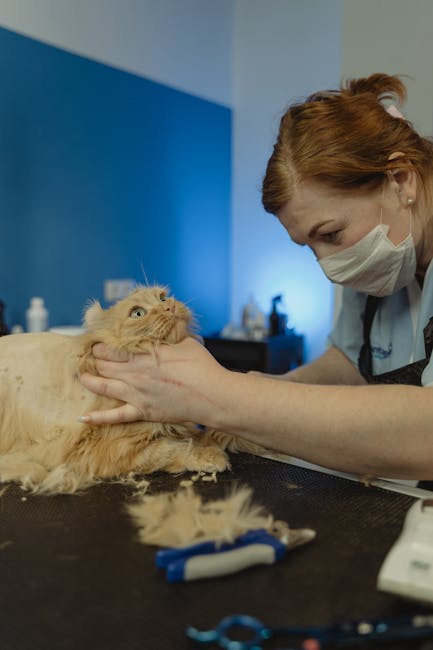
What Types of Skin Conditions Affect Pets in Southern Pines, NC?
Dogs and cats in Southern Pines, NC are prone to a variety of skin issues influenced by the region’s climate, vegetation, and active lifestyle. The most frequently observed skin concerns include allergies, hot spots, dry skin, parasitic infections, and fungal or bacterial problems.
Common skin disorders in the area often include:
- Environmental allergies, such as reactions to pollen from pine trees, grass, or local flora during seasonal changes
- Flea dermatitis, especially in homes with yards or near woodsy areas
- Dry, flaky skin—more prominent during drier winter months or with use of indoor heating
- Hot spots (acute moist dermatitis)—often triggered by scratching, licking, or moisture trapped under fur
- Ringworm (a fungal infection) and bacterial infections, which may spread in shared pet environments
How Can Routine Grooming Help Prevent and Identify Skin Problems?
Routine grooming helps uncover skin conditions early and supports overall skin and coat health. Brushing, bathing, and checking the skin and coat regularly allows pet owners to spot subtle changes, such as redness, swelling, bumps, or hair loss.
Key ways grooming supports early detection and prevention include:
- Brushing removes loose fur, dirt, and potential allergens, reducing itchiness and matting
- Bathing with appropriate shampoos helps wash away allergens, pollen, or irritants encountered on walks or in yards around Southern Pines
- Checking during grooming sessions makes it easier to notice parasites like fleas and ticks, especially since wooded trails and grassy areas are common in the region
- Trimming hair between paw pads and around the ears reduces trapped moisture, decreasing the risk of fungal infections
Early identification means care can begin before a problem becomes serious, minimizing discomfort for pets and supporting wellness at home.
What Are Signs of Skin Trouble Residents Should Watch For?
Skin issues in pets often go undetected until symptoms are more advanced. Local residents should look for:
- Persistent scratching, licking, or biting at the skin
- Bald patches, scabs, or areas of redness and swelling
- Flaky, dry, or greasy skin
- Unusual odors coming from the coat or skin folds
- Bumps, lumps, or sores, especially if slow to heal
- Small black or white specks in fur (possible fleas or flea dirt)
Spotting these signs during grooming sessions in Southern Pines enables attentive pet owners to address issues promptly.
Why Is the Southern Pines Climate a Factor in Pet Skin Health?
The climate in Southern Pines, with its humid summers, short winters, and deep pine woods, influences local pet grooming needs. Humidity and warmth can flare up skin infections, while pine pollen and sandy soil may trigger allergies in sensitive animals. Outdoor pets here are also more likely to encounter ticks, fleas, or environmental fungi.
Practical tips for the local environment:
- More frequent brushing during peak shedding seasons (spring and fall) to control dander and matting
- Regularly check for ticks and fleas after hikes or yard play
- Use pet-safe grooming products suited for seasonal dryness or humidity
Awareness of these local factors helps prevent discomfort and skin complications for pets living in Southern Pines.
How Often Should Area Households Bathe and Groom Their Pets?
There’s no one-size-fits-all grooming schedule, but local pets generally benefit from the following routines:
- Brushing at least once or twice a week, especially for longer-haired breeds or pets prone to matting
- Bathing every 4-8 weeks, using animal-specific shampoos designed for sensitive skin—more frequent bathing may be needed for dogs who spend a lot of time outdoors or suffer from seasonal allergies
- Ear cleaning, nail trims, and paw checks should be included in monthly routines, as Southern Pines’ terrain can aggravate ear infections or dry out paws
Keep in mind that too-frequent bathing can dry out the skin, while infrequent grooming increases the risk of mats, hotspots, or overlooked health concerns.
What Grooming Misconceptions May Affect Local Pets’ Skin?
Several common misconceptions can affect skin health:
- Myth: Bathing too often is always best for itchy pets. In reality, excessive bathing without appropriate products can strip natural oils, leading to more irritation.
- Myth: Only outdoor pets get skin problems. Even indoor pets are exposed to household dust, pollen, or parasites that can trigger symptoms.
- Myth: All shampoos labeled “natural” or “hypoallergenic” are suitable. Some may still contain ingredients that irritate sensitive pets; choosing the right product for your animal’s coat and skin is crucial.
Being aware of these mistaken beliefs can help residents make informed grooming choices that support their pets’ comfort and health.
When Is Home Grooming Not Enough for Skin Conditions?
Home grooming is key for prevention and minor issues. However, some situations require veterinary attention, including:
- Persistent sores, hot spots, or wounds that do not heal
- Sudden, severe hair loss or skin discoloration
- Unexplained bumps, open wounds, or rapidly spreading redness
- Animals that become lethargic, lose appetite, or show signs of pain alongside skin symptoms
In these cases, a veterinary assessment is necessary to address underlying medical issues safely. Regular grooming helps flag concerns early so households know when further intervention is needed.