
 See My Latest Article on HelloNation
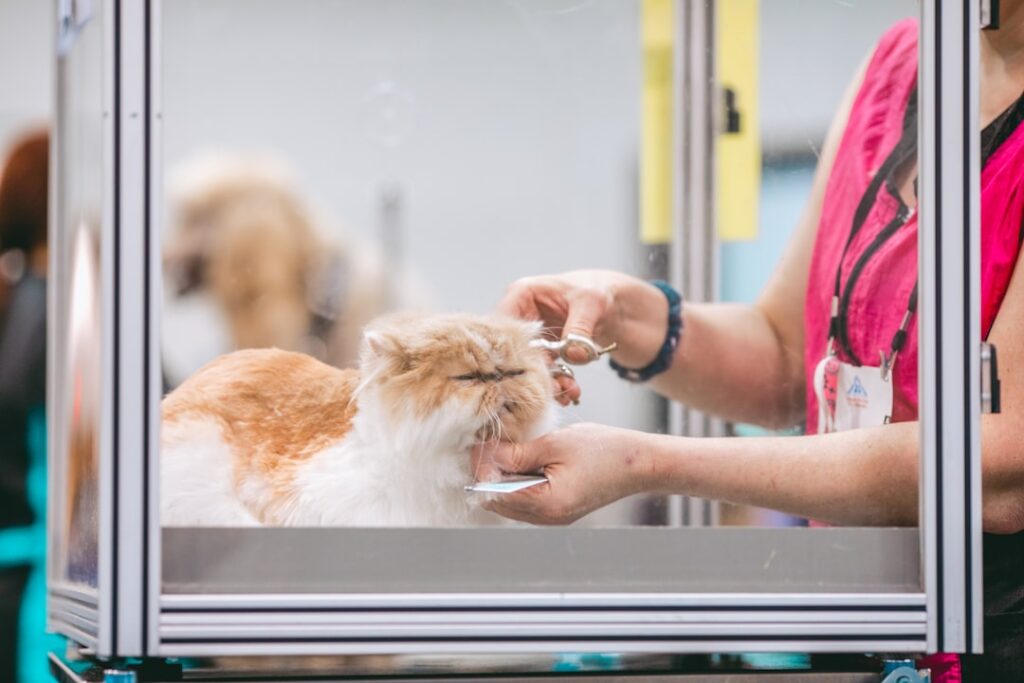
What Makes Senior Pet Grooming Different?
Caring for older pets requires attentiveness to both comfort and health. Senior cats and dogs often face challenges such as arthritis, thinning coats, sensitive skin, and reduced flexibility, making standard grooming routines harder on them than on younger animals.
In Southern Pines, where summer heat and spring pollen are realities, older pets may also struggle more with environmental stressors. Understanding their unique needs helps local residents ensure grooming is gentle and effective.
How Should Residents Prepare for Grooming Older Pets?
Gentle environments are key to keeping older animals calm and cooperative. Begin by selecting a time when the home is quiet and the pet is well-rested. Place non-slip mats in bathrooms or wherever grooming will take place to help pets feel secure—especially important for those with weak or unstable joints.
Gather all needed supplies before starting:
- Soft-bristled brushes or combs (to reduce skin irritation)
- Pet-safe shampoo formulated for sensitive skin
- Clean towels
- Blunt-ended grooming scissors or electric clippers if necessary
- Treats for reassurance and breaks
For households with senior pets in the city’s more wooded or grassy neighborhoods, regular checks for burrs, seeds, or ticks are recommended during grooming.
What’s the Safest Way to Bathe Senior Pets?
Bathing older animals should be done infrequently unless needed for medical reasons, as frequent baths may dry out skin. When a bath is necessary, use lukewarm water and a mild, fragrance-free pet shampoo.
Follow these tips for safety and comfort:
- Always test water temperature first—older pets' reduced circulation makes them sensitive to extremes.
- Use a handheld shower nozzle or a cup to rinse gently, keeping water out of eyes and ears.
- Support the pet’s weight by placing rolled towels along tub edges or using a non-slip mat.
- If mobility is severely limited, use a damp cloth for a spot-clean instead of a full bath.
Dry coats thoroughly with a towel rather than a hot dryer, as many senior pets are sensitive to noise or temperature. For local households, spring and fall can be better seasons than winter, due to milder indoor and outdoor temperatures.
How Can Grooming Help Detect Health Problems Early?
Regular grooming sessions are a good opportunity to spot signs that may indicate health concerns. While brushing or bathing, gently run your hands along the body to check for new lumps, skin changes, hot spots, bald patches, or sudden sensitivity.
Common issues detectable during grooming include:
- Abnormal skin growths or irritation
- Signs of arthritis or joint discomfort
- Ear infections (redness, odor, discharge)
- Unusual odors from skin or mouth
Detecting such issues early gives pet owners a chance to address problems before they worsen. Especially in humid months, skin infections or parasite bites can become serious quickly for the city’s older pets. Document changes or patterns as they appear and consult a veterinarian for anything out of the ordinary.
How Important is Nail and Paw Care for Older Pets?
Older pets often move less and may not wear their nails down naturally, especially those living indoors or spending time on soft ground rather than pavement. Overgrown nails can cause pain, influence gait, or lead to slips on the hardwood and tile floors common in many Southern Pines homes.
Best practices for nail maintenance:
- Trim nails every 2–4 weeks using pet nail clippers, just to the quick (avoiding the pink part inside).
- Check paw pads for cracks, foreign objects, or signs of fungal infections, particularly during humid or muddy seasons.

If pets are anxious about paw handling, start with brief touches, offering praise and rewards.
What Type of Brushing and Coat Care is Best for Aging Pets?
Senior animals frequently develop sensitive or thinning skin, so brushing tools and techniques should be adapted accordingly.
Coat care guidance:
- Use soft, flexible brushes for short-haired breeds and detangling combs for long-haired pets.
- Brush gently to avoid causing pain at pressure points, such as hips or shoulders.
- For long-haired breeds, keep fur trimmed around areas prone to matting or soiling (hindquarters and belly).
- In Southern Pines, double-coated breeds may shed more during spring, so increase frequency of gentle brushing to ease discomfort.
Many older pets also need help keeping themselves clean, especially if stiffness or obesity makes self-grooming tough. Spot-cleaning with a damp washcloth helps remove the pollen or yard debris common around the city’s homes.
Are Senior Pets’ Teeth and Ears Overlooked During Grooming?
Oral health and ear cleaning are frequently neglected but remain critical for senior wellness.
- Inspect teeth for tartar, discoloration, or swelling during grooming. Dental disease is common in elderly pets and can worsen other health conditions.
- Senior cats and dogs often develop waxy or infected ears, especially those who spend time outdoors or in damp weather. Wipe ears with a soft cloth and look for redness, odor, or discharge. Never insert cotton swabs deep into the canal.
- In the city’s temperate climate, seasonal allergies can trigger ear issues, so check more frequently during and after high pollen periods.
What Other Adjustments Should Southern Pines Residents Make for Senior Pet Grooming?
Allow more time for each session and give pets breaks if they seem tired or restless. Use positive reinforcement, such as verbal encouragement or small treats, to associate grooming with comfort rather than stress.
If the pet resists handling or shows signs of pain, stop and try again later, or focus on smaller areas in separate sessions. Older pets may not tolerate full grooming routines in one sitting.
Be mindful of flooring—older animals may struggle on the slick surfaces found in many local homes. Supporting them with rolled towels or anti-slip mats can make grooming safer and easier.
By considering these steps and adjustments, residents can help senior pets stay comfortable, healthy, and clean throughout their aging years in the community.