

 See My Latest Article on HelloNation
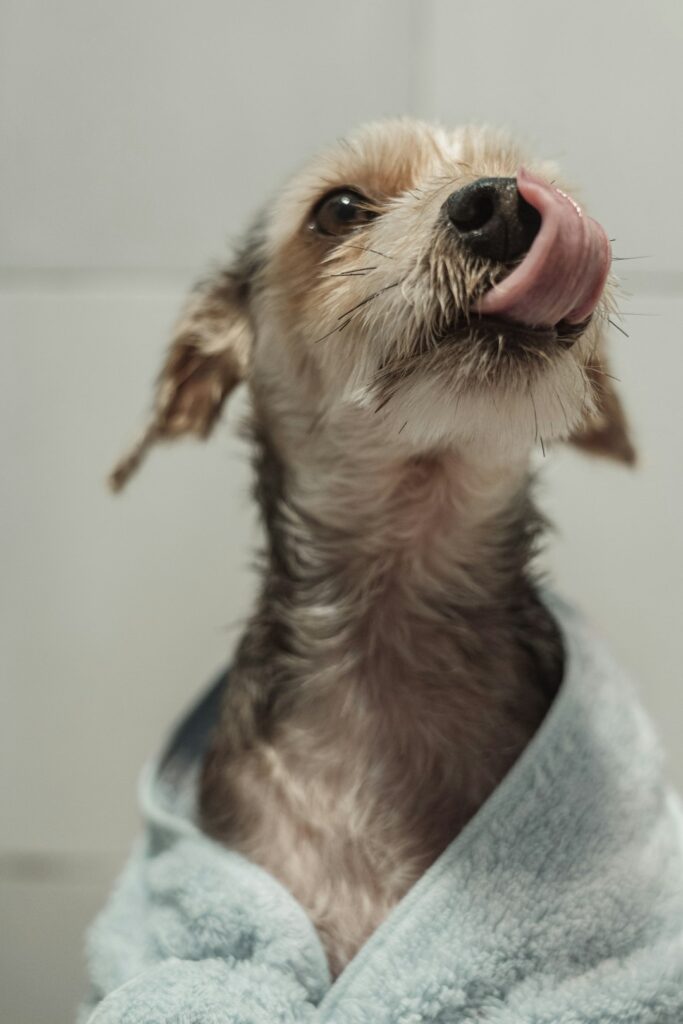
Why Do Dogs in Southern Pines, NC Need Tooth Brushing?
Brushings your dog’s teeth is crucial for more than just fresh breath—it helps prevent dental disease, pain, and health problems that can impact a dog’s entire body. Many local residents may wonder if at-home dental care really matters, especially for pets that seem healthy or get regular treats and chew toys. Research and veterinary advice both make it clear: dental hygiene is a cornerstone of canine health.
Dogs in Southern Pines enjoy an active lifestyle and year-round outdoor time. Our humid summers and mild winters mean pets spend plenty of time outside, increasing their exposure to bacteria, debris, and other oral health risks. Regular brushing is a simple, effective safeguard that supports both comfort and overall wellness.
What Happens If You Don’t Brush Your Dog’s Teeth?
Plaque forms on a dog’s teeth in as little as 24 hours. Left unchecked, this sticky layer turns into hard tartar, leading to red gums, bad breath, and tooth decay. More advanced issues—such as infections or abscesses—can cause pain, altered eating habits, or even damage to organs like the heart and kidneys as bacteria spread through the bloodstream.
Unbrushed teeth:
- Collect plaque and tartar, even if a dog chews on toys or food
- Lead to chronic mouth infections
- Often go unnoticed until the dog refuses food or shows visible pain, by which point more intensive medical treatment may be required
Brushing a few times a week can dramatically reduce the likelihood of these problems.
Is Bad Breath Normal in Dogs?
Mild “dog breath” is common, but persistent foul odor is a red flag for underlying dental issues. In a city with so many dog-friendly parks and gathering spots, it’s easy for local pet owners to forget that smelly breath is not just a minor annoyance—it typically signals gum inflammation or infection.
Brushing helps remove trapped food particles and bacteria, which are usually the root cause of unpleasant breath. If a dog’s breath is consistently strong or worsening, a dental checkup is a good idea.
How Often Should You Brush a Dog’s Teeth in Southern Pines?
While daily brushing is ideal, even two to three times per week makes a positive difference. For area households with busy schedules, establishing a routine—such as brushing after dinner or before evening walks—can make the habit easier to stick with.
Southern Pines residents often notice that seasonal allergies, pollen, or outdoor dust can contribute to extra buildup around a dog’s mouth and gums. These local factors make regular brushing particularly valuable in keeping both pet and home environments cleaner and healthier.
What’s the Best Way to Brush a Dog’s Teeth?
Start by introducing your dog to the process gradually. Use a toothbrush designed for dogs or a fingertip brush and veterinary toothpaste, as human products aren’t safe for dogs. Let your pet sniff and lick the brush before gently rubbing along the teeth and gums.
Tips for successful brushing:
- Keep sessions short and positive
- Focus first on the outsides of the teeth, where buildup is common
- Aim for gentle, circular motions—don’t rush or scrub too hard
- Offer praise and a low-calorie treat afterward
Many local pet owners find that brushing works best after a walk or play session, when their dog is calmer.

Do Chew Toys and Dental Treats Replace Brushing?
Chew toys and dental treats are helpful, but they don’t reach all the same areas as brushing. While effective at scraping off some plaque, especially for dogs that chew enthusiastically, these products cannot clean under the gumline or in tight spaces between teeth.
Southern Pines’ variety of natural treats and locally available toys means more options, but no treat or toy should be considered a substitute for the mechanical action of toothbrushing.
Are There Breeds or Ages That Need Special Attention?
All dogs benefit from regular dental care, but smaller breeds, toy dogs, and seniors are particularly susceptible to dental problems. Shih Tzus, Dachshunds, Poodles, and many mixes common in the area have mouths where teeth are crowded or misaligned, making tartar buildup more likely.
Young puppies can be introduced to brushing as soon as their adult teeth come in—starting good habits early leads to better acceptance and less trouble as dogs age. Seniors, meanwhile, often require gentler brushing and extra vigilance for early signs of dental trouble.
Can Brushing Prevent Expensive Health Problems?
Routine tooth brushing reduces the risk of dental cleanings under anesthesia and costly treatments for gum disease, extractions, or advanced infections. For families budgeting for pet care, this everyday task helps avoid surprise expenses.
Beyond saving money, regular brushing also helps prevent pain, loss of appetite, and other quality-of-life impacts for a valued family member.
What Are Common Mistakes or Misconceptions?
Local pet owners often assume that dry kibble, raw bones, or outdoor chewing keeps teeth clean enough. While these items help—especially for dogs that love to gnaw—they don’t replace the need for brushing.
Other misconceptions include:
- Believing a dog’s mouth is “self-cleaning”
- Ignoring dental care unless obvious symptoms appear
- Using human toothpaste or household cleaners, which can be toxic to pets
Following practical routines, choosing products designed for pets, and being consistent are key to reaping the health benefits of at-home dental care.