

 See My Latest Article on HelloNation
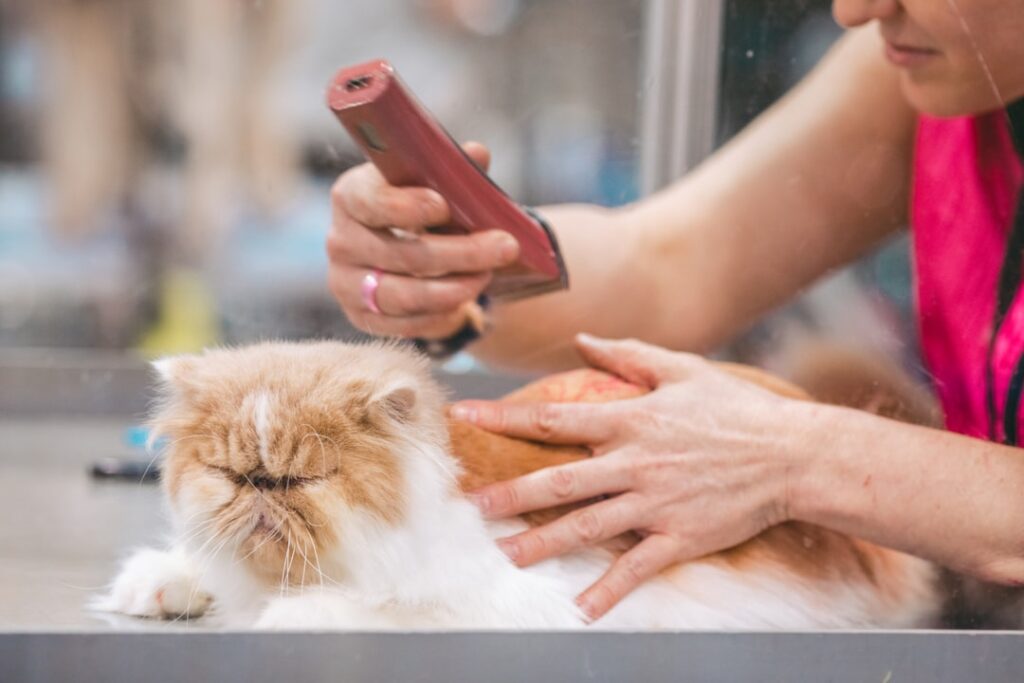
Can Human Shampoo Be Used on Pets? A Short Answer
Human shampoo is not considered safe for routine use on dogs, cats, or other pets. While some people in Southern Pines may reach for regular shampoo in a pinch, doing so can cause skin irritation, dryness, or worse for animals. Species differences in skin pH and sensitivities matter, especially for households with pets exposed to the region's varied outdoor and indoor environments.
Why Are Pet and Human Shampoos Different?
Human skin and pet skin have different acidity levels. Human skin typically has a pH between 5.5 and 6.5 (slightly acidic), while dogs, for example, have a more neutral skin pH around 6.2 to 7.4. Cat skin is similar, though their skin barrier is even more delicate. Most human shampoos are formulated to match the acidity of our skin, not an animal’s.
Using human shampoo on pets can:
- Disrupt the natural protective barrier on the pet’s skin
- Leave them vulnerable to dryness, itching, or infections
- Strip away necessary natural oils
The effects may be subtle after one use, but repeated washing this way can make skin conditions worse—especially during seasons when pets in the community may already be dealing with dryness from indoor heating or pollen buildup after playing outside.
Are There Local Factors That Make This an Issue?
Southern Pines experiences seasonal shifts, with humid summers and heating-related dryness in the winter. Dogs and cats in the area often spend time outdoors in sandy soils and piney woods, coming home with pollen, dirt, or allergens clinging to their fur. Proper bathing helps manage these factors, but using the wrong cleanser can add to skin problems rather than solving them. Area pets may be especially prone to itchy skin during times of high plant activity, so maintaining a healthy skin barrier is essential for comfort.
What Happens If You Accidentally Use Human Shampoo on Your Pet?
A single use of human shampoo rarely causes major harm, but some pets are more sensitive than others. Skin may appear flaky, red, or itchy in the hours or days after a bath. If you notice:
- Persistent scratching or licking
- Red, inflamed, or rash-like patches
- Hair loss or a dull, brittle coat
Take steps to rinse your pet thoroughly with clean, lukewarm water and monitor for improvement. Moisturizing pet sprays or conditioners designed for animals may help if symptoms are mild. If you notice continued irritation, or if your pet seems unusually uncomfortable for more than a day, a discussion with a veterinarian may be warranted.
Do Any Household Alternatives Make Sense?
Some online sources or neighbors in Southern Pines might suggest alternatives to commercial pet shampoo, including baby shampoo or homemade recipes. While baby shampoos are typically gentler than adult versions, they're still made for human skin and pH. Home remedies like baking soda or vinegar are not recommended either, as they can be harsh or unbalanced for animal skin. For most area households, the safest approach is to use products clearly labeled as safe for each species, and to avoid improvising with household items unless specifically instructed by a medical professional.
How Often Should Local Pets Be Bathed?

Bathing routines can vary widely depending on lifestyle—pets who spend more time outdoors may need more frequent cleaning, especially after muddy walks or exposure to allergens common to the pine forests and open spaces around Southern Pines. In general:
- Dogs: Every 1–3 months, unless they become visibly dirty or smelly
- Cats: Usually only if they’re unable to groom themselves, or if they get into something sticky or dangerous
Over-bathing, even with the right product, can dry out skin and cause skin problems. It's best to monitor your pet's coat and comfort, bathe only as needed, and always use appropriate products.
What Should Area Residents Look for in Pet Shampoos?
Choosing a pet shampoo should take into account your animal’s skin and coat type, any allergies they may have, and the specific conditions they face in this region. Look for:
- Clear species labeling (dog, cat, etc.)
- Mild, fragrance-free formulas for sensitive pets
- Medicated or specialty shampoos only if recommended by a veterinarian
For those with pets who spend time outside or suffer from skin issues, formulas with oatmeal or aloe can sometimes soothe minor irritation. Always rinse thoroughly to avoid residue that can make pets itchy.
Common Myths and Misconceptions
Some believe a single bath with human shampoo is harmless. While one emergency wash isn’t likely to cause crisis for most healthy pets, repeated use is a different story. Others assume if a shampoo is “gentle” for babies, it’s equally gentle for pets—yet the unique biology of animal skin means this can still trigger dryness or allergic reactions. Misinformation can spread quickly in any community, so relying on species-specific guidance is best.