

 See My Latest Article on HelloNation
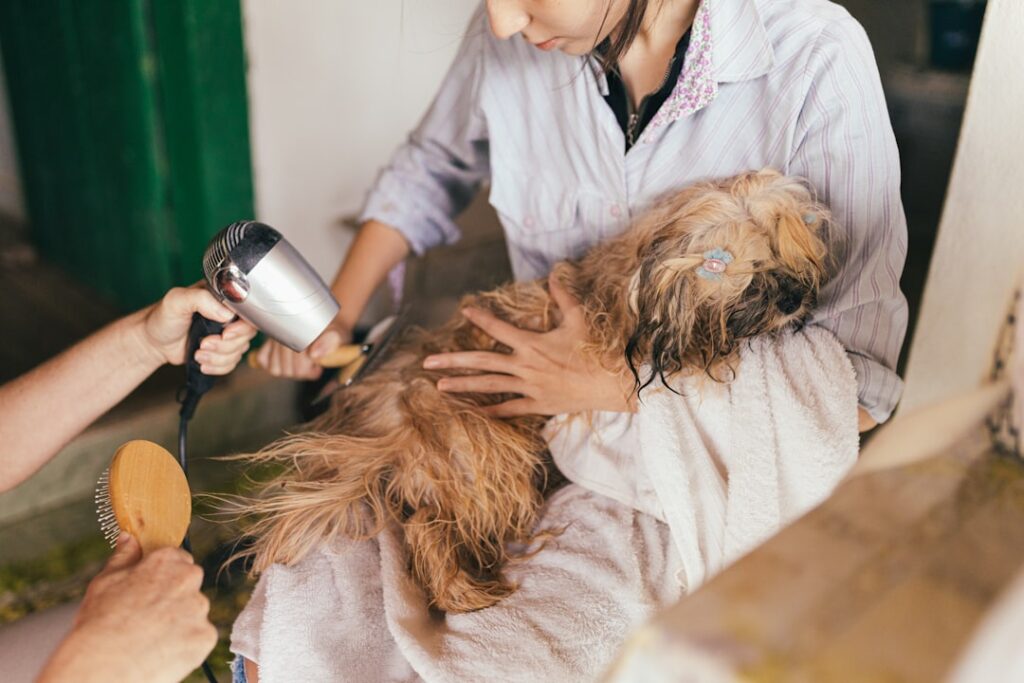
Why Start Grooming Early With Puppies?
Puppies in Southern Pines, NC benefit immensely when grooming is introduced from a young age. Early care helps pups become comfortable with handling, prevents matting, and supports skin and coat health. This gentle introduction also reduces grooming anxiety later in life, making for a more positive experience for both puppies and their families.
How Often Should Puppies Be Groomed?
Puppies do not need as frequent grooming as adults, but regular routines are valuable. For most breeds, a good rule of thumb is:
- Brushing: 2-3 times per week, or more often for longer-haired puppies
- Bathing: Once every 3-4 weeks, unless heavily soiled
- Nail trimming: Every 2-4 weeks, depending on growth
Consistent routines, rather than frequency alone, help establish good habits. Local households may find spring and fall require extra attention due to seasonal shedding or increased outdoor activity.
What Are the Best Tools for Puppy Grooming at Home?
Starting with the right tools is key. For most puppies in the area, owners will need:
- A soft-bristled brush—gentle on sensitive puppy skin
- A fine-toothed comb for detangling, especially for curly or long coats
- Puppy-safe shampoo (mild, fragrance-free)
- Nail clippers designed for small pets or a grinder (optional)
- A hand towel or non-slip mat for baths
Hard-bristled tools and strong shampoos should be avoided to prevent skin irritation, an issue sometimes worsened during local pollen-heavy months.
How Can Owners Ease Puppies Into Grooming?
Grooming sessions should be brief and positive at first. Local families may find that calm, quiet environments help new puppies acclimate. Effective techniques include:
- Letting puppies sniff and inspect brushes or nail clippers before use
- Starting with gentle strokes and pauses for treats or praise
- Keeping initial sessions under five minutes, gradually extending as comfort grows
Puppies often wriggle or resist at first. Steady hands and patience—without restraint or scolding—set the foundation for trust. Homeowners sometimes overlook that daily gentle handling (like touching paws or ears) outside of grooming sessions makes future care smoother.
How Does Climate and Lifestyle Affect Puppy Grooming Needs in Southern Pines?
Southern Pines’ warm, humid climate and sandy soils mean puppies are often exposed to more outdoor allergens, dirt, and grass seeds. This environment increases the need for:
- Regular coat checks for burrs, seeds, or ticks after walks or playtime
- More frequent paw rinsing to remove irritants or residue
- Drying wet fur thoroughly to prevent hotspots or fungal issues, especially in humid seasons
Local parks and trails are popular with dog owners, so puppies in this region may need baths after muddy outings, even if full grooming isn't otherwise due.
What Is the Safest Way to Trim a Puppy’s Nails?
Overgrown nails can lead to discomfort or even injury. For puppies, nails are softer and easier to clip, but extra care is needed to avoid the quick (the sensitive part containing blood vessels).
Steps for safe at-home trims:
- Hold the paw gently, pressing lightly to extend the nail
- Trim only small amounts, stopping at the first sign of a pale center in the nail
- Use well-maintained trimmers suited for small pets
- Reward calm behavior throughout

If unsure, practice with just a nail or two at a time. Many local pet owners learn over time that walking on paved sidewalks naturally helps wear down nails between trims.
How Can Ear and Dental Care Be Incorporated Into Puppy Grooming?
Routine ear and dental hygiene are often overlooked by new puppy owners. In the local climate, floppy-eared breeds may be prone to ear moisture and related infections.
For safe cleaning:
- Wipe outside the ears with a soft, damp cloth—never insert cotton swabs
- Check for unusual redness, odor, or debris
Start gentle teeth brushing with a fingertip brush or soft puppy toothbrush and pet-safe toothpaste. Introducing these steps early makes future care easier and can prevent costly oral health issues.
What Are Signs of Grooming-Related Stress or Discomfort in Puppies?
Even with gentle care, some puppies may show signs of stress or discomfort, including:
- Panting or excessive yawning
- Hiding or trying to escape
- Whining or pawing at grooming tools
If these signs appear, it’s helpful to pause and allow a break. Start again with slower, reassuring motions and keep experiences short and pleasant.
Owners sometimes mistake playful mouthing for stress cues, so observing body language carefully helps distinguish between normal puppy behavior and true distress.
Are There Local Considerations for Puppy Grooming Routines?
Puppy grooming routines may need to be adjusted for life in Southern Pines. For households near wooded areas, extra attention to tick checks is practical. Sand and pine needles from local terrain can work their way into fur or between paw pads, so regular inspection is particularly relevant here.
Community events or outdoor activities may expose puppies to crowded or unfamiliar environments. Gradually introducing puppies to new places—paired with routine brushing and cleaning when returning home—can reduce both physical and emotional stress associated with grooming.