

 See My Latest Article on HelloNation
Why Flea and Tick Prevention Matters in Southern Pines, NC
Year-round mild winters, humid summers, and abundant green spaces mean flea and tick activity is a reality for pets across Southern Pines, NC. These pests don’t just bring irritation—they can carry diseases such as Lyme and ehrlichiosis, or lead to skin infections and allergic reactions in pets. Regular grooming is not just about appearance; it’s a frontline defense for area households to minimize these risks.
How Does Grooming Help Control Fleas and Ticks?
Consistent grooming makes it easier to spot and remove parasites before they become a larger problem. Brushing, bathing, and visual checks promote healthy skin and fur, while helping local pet owners catch early signs of fleas or ticks. Routine grooming also removes debris—like leaf litter or dirt—that might harbor eggs or larvae.
What Grooming Methods Are Most Effective?
Brushing and bathing both play roles in controlling fleas and ticks, but they work best when done with attention to detail:
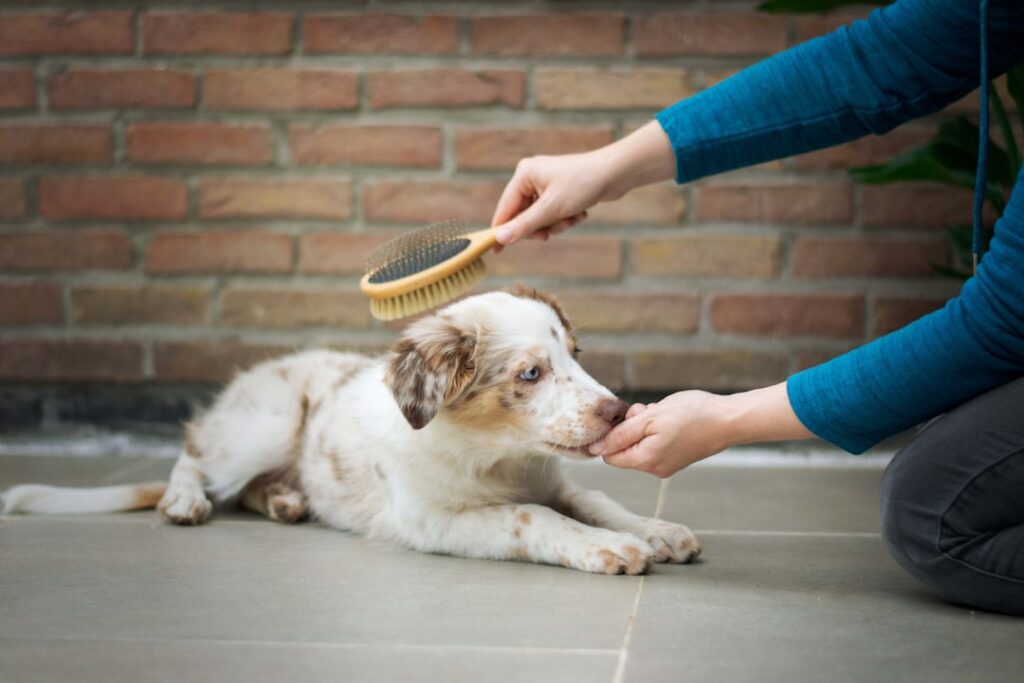
- Brushing: Use a fine-toothed flea comb in addition to a regular brush. Brush pets outside when possible, shaking any loose fur or debris away from the home.
- Bathing: Bathe pets with gentle, pet-safe shampoo. While some people consider medicated shampoos, their use should be guided by a veterinarian, especially for pets with sensitive skin.
- Trimming: For dogs and cats with long or thick coats, trimming fur—especially around paws, belly, and tail—makes it harder for ticks and fleas to hide.
Frequent attention to ears, “armpits,” and tails—areas where pests often attach—can catch invaders early, especially after visits to local parks or wooded trails.
How Often Should Pets Be Groomed in This Area?
The tick and flea season can feel almost year-round in the community, but it peaks from spring through fall. For most pets:
- Brushing: At least every few days, more often for long-haired breeds or after time outdoors
- Bathing: Every 3–4 weeks, unless advised differently for pets with skin conditions
- Full Checks: After hikes, walks on nature trails, or playtime in brushy yards
Short-coated pets still need regular checks and brushing, as fleas and ticks are not particular about fur length.
What Should You Look For During Grooming?
The most common places ticks and fleas hide are near the ears, neck, under collars, between toes, around groins, and in tail fur. Early warning signs include:
- Specks of “flea dirt” (looks like dark pepper—turns reddish with water)
- Tiny moving fleas, usually near the skin
- Small bumps or scabs from bites
- Visible ticks, which can be brown, black, or greyish and range from pinhead to pea size
Ticks are often mistaken for skin tags or moles, especially when embedded. If anything suspicious is found that isn’t easily removed, a veterinarian can help confirm and remove it safely.
Can Grooming Alone Prevent Infestations?

Grooming is a critical prevention tool, but not a complete barrier in Southern Pines. The local combination of suburban yards, woodland edges, wildlife, and warm weather means ongoing exposure. While frequent brushing, bathing, and inspection cut the risk, fleas and ticks sometimes persist. Combined with environmental cleaning and, when appropriate, safe preventives recommended by veterinarians, grooming brings the best results.
Are Certain Pets More at Risk in Area Households?
Pets that spend time in wooded lots, community walking areas, or brush near water are at greater risk. Outdoor cats, dogs with dense coats, and even indoor pets that travel outside briefly can be affected. Even small, window-sill naps can lead to exposure if fleas or tick nymphs hitch a ride in on people or other animals.
What Are Common Grooming Misconceptions?
- “Short hair means fewer problems.” Even short-haired pets require just as much attention, because ticks and fleas seek warmth and access to thin skin, not just long fur.
- “Indoor pets are safe.” Pests can come indoors on shoes, clothing, or other animals, so regular checks matter for indoor pets too.
- “Bathing alone is enough.” While bathing removes many pests, some can cling tightly or escape to areas like the ears or eyelashes—making a system of bathing, brushing, and hands-on inspection most effective.
What Other Steps Support Grooming in Preventing Fleas and Ticks?
Residents can improve grooming effectiveness by:
- Vacuuming pet beds and common resting places weekly
- Washing blankets, slipcovers, and plush toys frequently in hot water
- Keeping grass trimmed and leaf litter cleaned up in yards
- Planning outdoor activities during cooler hours when ticks are less active
Staying alert, particularly during times of peak activity (late spring through early fall), helps minimize surprise infestations in local homes.