

 See My Latest Article on HelloNation
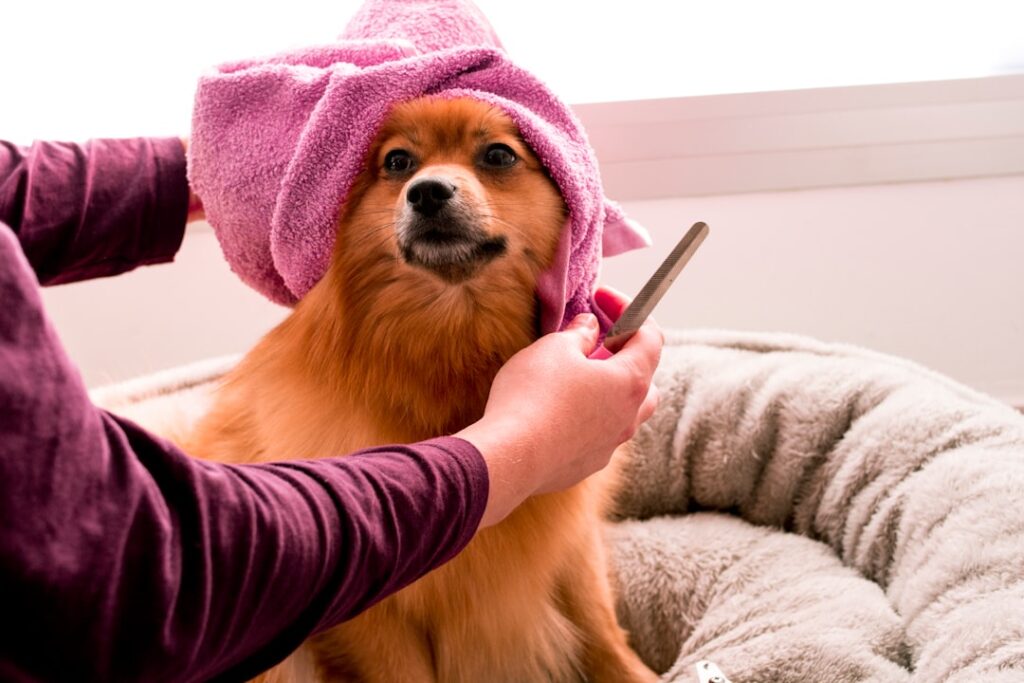
What Does It Mean for a Dog to Have a Double Coat?
A double-coated dog has two distinct layers of fur: a dense, woolly undercoat for insulation, and a longer, protective topcoat of guard hairs. Common breeds with double coats include Golden Retrievers, German Shepherds, Huskies, and Australian Shepherds. This type of coat helps regulate body temperature in both warm and cool conditions, which matters in areas where temperatures can swing between seasons, as happens locally.
How Often Should Double-Coated Breeds Be Groomed?
Double-coated dogs shed year-round, with especially heavy shedding during spring and fall. In the fairly humid summers and generally mild winters of Southern Pines, regular grooming ensures dogs remain comfortable and reduces the amount of hair around the house.
- Most double-coated breeds benefit from thorough brushing at least once or twice weekly under normal conditions.
- During high-shedding seasons (spring/fall), daily brushing is helpful to keep loose fur from matting and ending up throughout the home.
Neglecting regular brushing can lead to mats, which trap moisture and dirt against the skin and may cause discomfort or skin irritation.
What’s the Best Way to Brush a Double-Coated Dog?
Begin by working through small sections with a slicker brush or a rake-style tool designed specifically for undercoats. The key is to reach the dense layer close to the skin without causing pain.
Steps:
- Start at the neck or shoulders and work in the direction of fur growth.
- Separate large tangles with fingers before brushing.
- Pay close attention to problem areas: behind ears, under legs, and around the tail.
- Use a comb after brushing to check for hidden mats or missed spots.
Local humidity can sometimes cause clumps of fur to felt more quickly during damp weather, so using deshedding tools more frequently in summer months may help.
Should Double-Coated Dogs Be Shaved?
Shaving is not recommended for double-coated breeds. The double coat acts as a natural thermal regulator and sunblock. Removing it can increase risk of overheating, sunburn, and even change the coat’s texture permanently.
Instead:
- Focus on loosening and removing dead undercoat hair during shedding seasons.
- Trim paw hair and sanitary areas for cleanliness.
- Remove small mats by carefully cutting them out, only when brushing does not work.
A common misconception in the area is that shaving helps double-coated dogs stay cool in the summer heat. In reality, their coat protects them from both heat and insects. Shade, access to water, and air conditioning or fans indoors are better strategies for warm days.
How Can Shedding Be Managed Inside the Home?
Double-coated breeds shed considerable fur, especially in spring and fall. For area households, reducing the amount of loose hair inside the home is often a priority.
Practical approaches:
- Brush dogs outdoors, ideally on a porch or patio out of the wind.
- Use rubber grooming gloves after brushing to gather any remaining loose fur.
- Bathe double-coated dogs only as necessary (every few months, or if they get muddy), since frequent bathing can dry out skin and make shedding worse.
- Keep a lint roller near favorite nap spots.
- Vacuuming upholstery and hard floors often will help keep fur controlled, especially in homes with carpeting.
Are There Seasonal Grooming Tips for the Local Climate?
The climate in Southern Pines—generally humid summers and mild, often damp winters—affects grooming routines slightly.

- In wet months, check for mud and moisture trapped in the undercoat. Moist conditions can increase risk for mats and hotspots.
- During pollen-heavy spring, frequent brushing helps remove allergens caught in coats that might transfer onto furniture or into the air.
- Tick checks are essential after outdoor activities in wooded or grassy areas since double coats can hide insects.
What Problems Should Owners Watch For?
Double-coated breeds are prone to certain grooming concerns. Watch for:
- Mats and tangles, especially in high-friction spots
- Dry skin or “dandruff,” which may worsen after winter heating or frequent bathing
- Red or bald spots, which could signal skin infections or allergies
- A dull coat, often due to inadequate brushing or diet
If any of these issues are persistent or worsen, consulting a veterinarian (rather than a groomer) is the safest way to ensure a dog’s health.
What Are Common Myths About Grooming Double-Coated Dogs?
Several persistent myths circulate, especially among new pet owners and during seasonal weather changes.
- Myth: Shaving keeps double-coated breeds cooler.
- Reality: The coat is designed to insulate dogs from heat as well as cold.
- Myth: Bathing frequently controls shedding.
- Reality: Overbathing dries the skin and can worsen shedding.
- Myth: Double-coated breeds should have their undercoats removed entirely.
- Reality: Removing all undercoat disrupts natural protection; loose hair should be removed, not the insulating layer itself.
Understanding how these breeds’ coats function helps local owners provide the right care—especially during the region’s humid spells, heavy storms, and tick season.