

 See My Latest Article on HelloNation
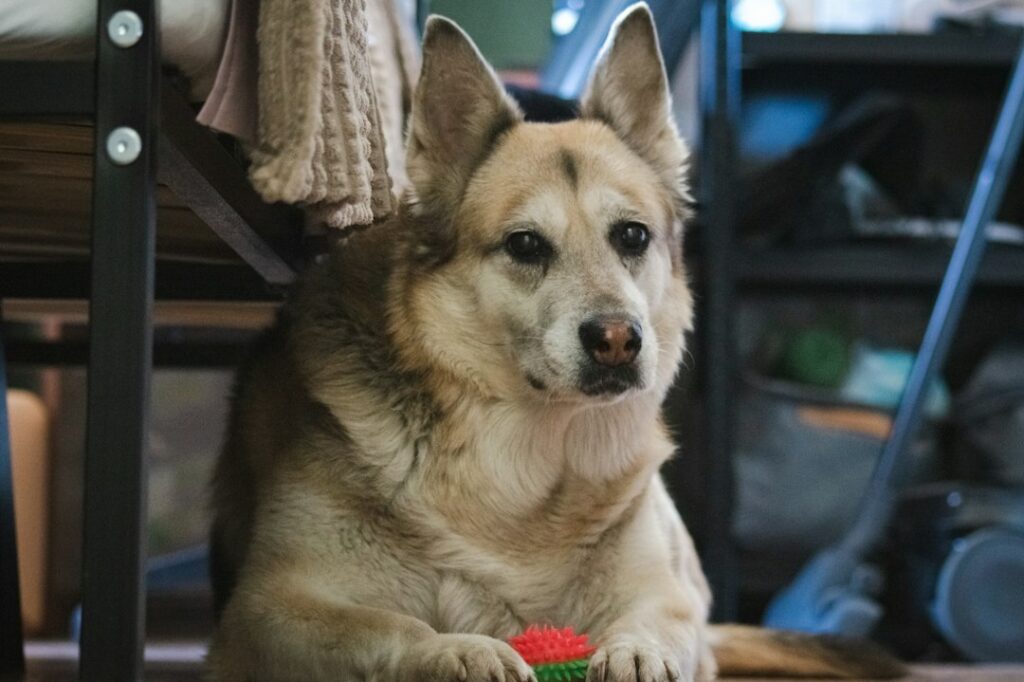
Pet grooming is more than making a dog or cat look tidy. Regular brushing, bathing, nail care, ear checks, and coat maintenance can support comfort and help households notice skin, parasite, or mobility concerns early. However, grooming mistakes can cause irritation, painful mats, damaged nails, or unnecessary stress.
For households in Southern Pines, NC, warm weather, seasonal pollen, sandy outdoor areas, and active routines can make coat and paw care especially important. The safest approach is consistent, gentle maintenance rather than trying to correct every problem in one session.
What grooming mistakes are most common?
The most common mistakes involve using the wrong tools, rushing, bathing too often, cutting mats improperly, and overlooking small changes in the skin, ears, paws, or nails. Many problems begin with good intentions but develop because grooming is treated as a single occasional task instead of a routine.
Frequent errors include:
- Brushing only after the coat is already tangled
- Using human shampoo or household products
- Cutting tight mats with scissors
- Trimming nails too far
- Cleaning ears too deeply
- Bathing a pet before removing loose undercoat or mats
- Ignoring signs of fear, pain, or overheating
- Shaving a coat without understanding its growth pattern
- Sharing grooming tools between pets without cleaning them
A grooming routine should be adjusted to the pet’s coat type, age, health, activity level, and tolerance.
Why is brushing before bathing so important?
Mats and tangles usually become tighter when they get wet. Bathing a matted coat can make the tangled areas harder to separate and may pull painfully against the skin during drying.
Brush the coat before the bath, using short, gentle strokes rather than forcing a brush through resistance. Check areas that commonly tangle:
- Behind the ears
- Under the front legs
- Around the collar or harness area
- Along the belly and inner legs
- Around the tail and hindquarters
- Between the toes
If a comb cannot pass through a section without pulling, the area may need more careful attention. Do not keep brushing a severe mat simply to avoid cutting it. Dense mats can hide irritated skin, moisture, or sores, and removing them may require specialized handling.
Is it safe to cut out mats with scissors?
Cutting mats with household scissors is risky because pet skin can be pulled upward into the tangle. A small movement can result in a deep cut, especially around the ears, armpits, belly, and inner legs.
Instead, stop if a mat is tight against the skin, covers a large area, or causes the pet to react. Do not use scissors near skin that cannot be clearly seen. Severe matting, wet mats, or mats associated with redness and odor are situations where experienced grooming help may be necessary for safety.
Prevention is easier than removal. A few minutes of brushing several times a week is often safer and more comfortable than a long session after tangles have formed.
Which shampoos and products should be avoided?
Human shampoo, dish detergent, household cleaners, essential oils, and strongly fragranced products can irritate pet skin or create problems if licked. Dogs and cats have different skin characteristics from people, and products designed for human use may be too harsh or unsuitable.
Use a pet-specific cleanser appropriate for the animal and coat. Avoid getting shampoo in the eyes, nose, or ear canals. Rinse thoroughly, since leftover residue can cause itching and flaking.
A bath is not always the right response to scratching. Persistent itching may be related to parasites, allergies, infection, dry skin, or another health issue. Repeated bathing can worsen irritation if the underlying cause is not addressed.
How can nail-trimming injuries be prevented?
Nails contain a sensitive inner structure commonly called the quick. Cutting into it can cause pain and bleeding, and one bad experience may make future nail care more difficult.
Trim only small amounts at a time, especially when nails are dark and the quick is difficult to see. Hold the paw gently without squeezing the toes. Watch for changes in posture, pulling away, lip licking, panting, or other signs of stress.
Long nails can change how a pet stands and walks. They may catch on flooring, split, or curve toward the paw pad. However, nails that have been allowed to grow long may also have a longer quick, so reducing their length may need to happen gradually rather than all at once.

Keep appropriate bleeding-control supplies nearby, but do not continue trimming if a pet is panicking, struggling intensely, or repeatedly jerking the paw.
What ear-cleaning mistakes should pet owners avoid?
The ear canal should not be scrubbed aggressively or filled with water. Cotton swabs can push debris deeper and may injure sensitive tissue if inserted too far.
Clean only the parts of the ear that are visible and follow product directions carefully. Stop if there is strong odor, swelling, discharge, bleeding, severe redness, or obvious pain. Head shaking and repeated scratching are also signs that routine cleaning may not be enough.
Floppy ears, heavy ear hair, frequent swimming, allergies, and moisture can increase the chance of ear problems. Drying the outer ear after bathing or outdoor activity may help, but moisture trapped inside the canal can require medical evaluation.
Should every pet be shaved during hot weather?
Shaving is not a universal solution for summer heat. A coat can provide some protection from sunlight, insects, and temperature changes, while shaving certain breeds may affect how the coat grows back.
Clipping may be appropriate in some cases, particularly when a coat is severely matted or difficult to maintain. However, removing too much hair can increase sun exposure and leave the skin vulnerable to irritation. A pet’s access to shade, water, ventilation, and cooler indoor areas matters more than simply making the coat shorter.
In a warm Southern Pines summer, avoid grooming during the hottest part of the day and never leave a freshly groomed pet in direct sun without protection. Outdoor pets may also collect sand, burrs, and plant material in the coat and between the toes.
How can grooming be made less stressful?
Short, predictable sessions are usually easier than forcing a pet to tolerate a long grooming session. Begin with handling that the pet already accepts, such as touching the shoulder, lifting one paw briefly, or brushing a small section.
Use breaks and calm rewards when appropriate. Avoid chasing a pet with clippers or repeatedly restraining an animal that is showing escalating fear. A grooming table, tub, or nail tool can become associated with panic if every session ends in a struggle.
Watch for signs that the task should stop:
- Trembling or freezing
- Growling, snapping, or repeated escape attempts
- Heavy panting unrelated to heat
- Sudden sensitivity in one area
- Limping or reluctance to bear weight
- Collapse, weakness, or unusual breathing
Pain, advanced age, arthritis, skin disease, and previous frightening experiences can all change grooming tolerance.
What should be checked after grooming?
After brushing, bathing, or nail care, inspect the skin and coat rather than assuming everything went smoothly. Look for redness, small cuts, damp areas, fleas or ticks, swelling, and areas that remain tangled.
Dry the coat thoroughly, especially in dense or double-layered fur. Dampness trapped near the skin can contribute to odor and irritation. Check paws for packed debris, cracked pads, or grass material between the toes. During warm months, inspect outdoor pets more often after time in yards, trails, or sandy areas.
Grooming should reveal useful information, not hide it. A new lump, persistent odor, discharge, bleeding, severe itching, or sudden pain deserves attention beyond ordinary coat maintenance.