

 See My Latest Article on HelloNation
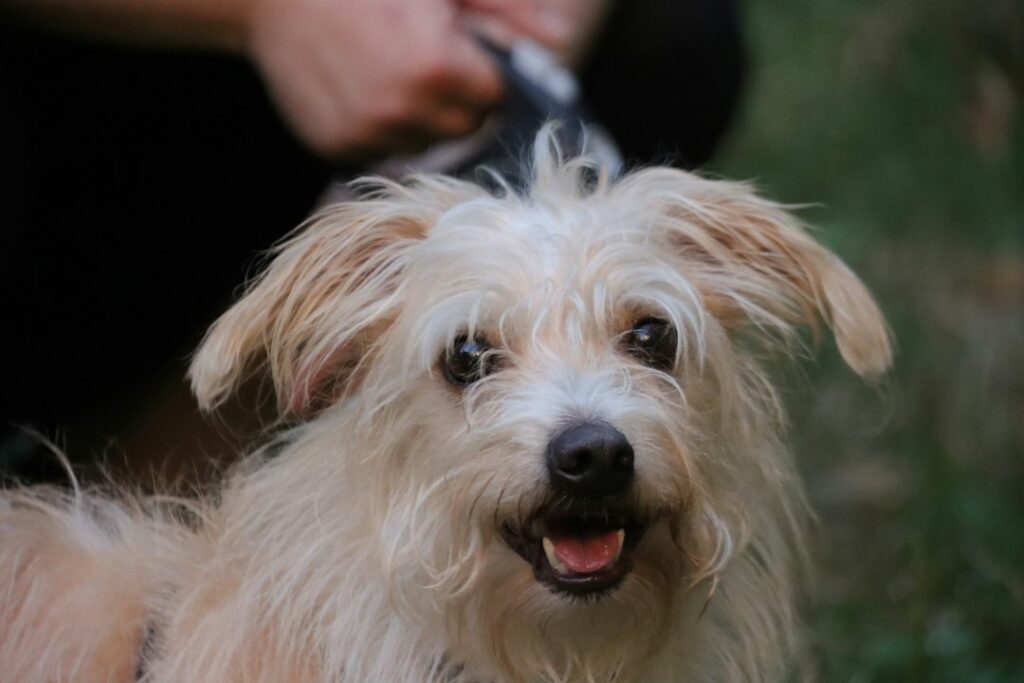
Which brush is right for a dog’s coat?
The best dog brush depends on coat type, hair length, shedding pattern, and whether the coat tangles easily. A brush that works well for a short-coated hound may be ineffective or uncomfortable for a long-haired retriever, curly-coated poodle mix, or double-coated herding breed.
For local households, brushing can also help remove sand, loose undercoat, plant material, and outdoor debris after walks or time in the yard. The goal is not simply to remove hair. Good brushing supports skin comfort, reduces preventable mats, and helps owners notice changes such as redness, bumps, parasites, or sore areas.
What brush works best for short-haired dogs?
Short-haired dogs usually do well with a rubber curry brush, grooming mitt, soft-bristle brush, or gentle bristle brush. These tools lift loose hair and distribute natural oils without scraping the skin.
A rubber curry brush is useful for breeds with smooth, dense coats, including many hounds, retrievers with shorter coats, and short-coated mixed-breed dogs. Its flexible tips can loosen dead hair while providing a mild massaging action.
A soft-bristle brush may be more comfortable for dogs with fine hair or sensitive skin. Use short strokes in the direction the hair grows, especially over the ribs, belly, and inner legs where the skin may be delicate.
Short coats can still shed heavily. During seasonal shedding, brushing outdoors or on an easy-to-clean surface may make the routine more manageable. A grooming mitt can be helpful for dogs that dislike the sound or feel of a traditional brush.
Which brush should be used for long, silky coats?
Long-haired dogs generally need a slicker brush and a metal comb. A slicker brush has many fine, angled pins that separate strands and remove loose hair. A comb helps confirm that the brush has reached through the entire coat rather than smoothing only the surface.
This combination is useful for breeds such as Yorkshire terriers, Maltese, long-coated dachshunds, and dogs with similar fine or silky hair. Brush in small sections, beginning near the ends of the hair and gradually working closer to the skin. Pulling a brush through a large tangle from the roots can cause discomfort and breakage.
Pay special attention to areas that rub or collect moisture:
- Behind the ears
- Under the collar or harness
- Around the front legs
- In the armpits
- Along the back legs
- Beneath the tail
After brushing, run a comb gently through each section. If the comb cannot pass through, a tangle may remain beneath the visible surface.
Are slicker brushes suitable for curly or wavy coats?
Slicker brushes are often useful for curly and wavy coats, but they should be used gently and followed by a comb. Curly coats can hide mats close to the skin, particularly around the ears, legs, collar area, and tail.
Poodles, bichon-type dogs, and many curly-coated mixes often benefit from regular line brushing. This means separating the coat into small layers and brushing from the skin outward, rather than brushing only over the top. The process takes more time but is more effective at finding early tangles.
A long-toothed metal comb can identify areas the slicker brush missed. If the comb catches repeatedly, do not force it. Pulling can hurt the dog and may cause the dog to resist future grooming.
Curly coats can also hold moisture after bathing or outdoor activity. Thorough drying and gentle brushing help prevent damp areas from tightening into mats. Any cleansing product should be appropriate for dogs and rinsed completely.
What tools help with double-coated breeds?
Double-coated dogs have a soft, insulating undercoat beneath a coarser outer coat. Breeds such as huskies, shepherds, corgis, and many spitz-type dogs may benefit from an undercoat rake, slicker brush, pin brush, or wide-toothed comb, depending on the coat.
An undercoat rake can loosen dead undercoat during seasonal shedding. A slicker brush can remove loose hair and separate the outer coat. A pin brush is often useful for longer feathering on the legs, tail, chest, and rear end.
The tool should match the dog’s coat density. Rakes with widely spaced teeth may work better for thick undercoats, while finer tools may be more appropriate for moderate coats. Use light pressure. Repeated hard scraping can irritate the skin and remove healthy coat.
Double-coated dogs should not automatically be shaved for warm weather. The outer coat helps provide protection from sun, insects, and environmental exposure. Regular brushing, bathing with a gentle dog-safe cleanser, and thorough drying can help keep the coat clean and comfortable without removing its natural structure.
Does a de-shedding tool work for every dog?
No. De-shedding tools are designed to remove loose undercoat, so they are most appropriate for certain double-coated dogs. They are usually not the first choice for curly coats, silky coats, wire coats, or dogs with thin hair.

Using a de-shedding tool too aggressively may cause skin irritation, coat thinning, or an uneven appearance. It may also remove more hair than necessary if used too frequently.
A regular brush and comb are often safer starting points. If a dog has a very dense coat, use a de-shedding tool sparingly and stop if the skin becomes pink, the dog shows discomfort, or the coat appears damaged.
What brush is best for wiry or coarse coats?
Wire-haired and coarse-coated dogs may need a slicker brush, firm bristle brush, stripping knife, or specialized comb, depending on the breed and grooming style. Terriers and some mixed-breed dogs can have coats that trap dirt and loose hair more readily than smooth-coated dogs.
A slicker brush can remove loose surface debris, while a comb helps check for tangles. Hand-stripping tools require training because incorrect technique can cause pain or damage the coat. Clippers are also not interchangeable with stripping methods for every wire-haired breed.
For routine home care, gentle brushing and combing are usually the safest tasks to learn first. Areas around the beard, legs, ears, and belly often need extra attention because food, moisture, and outdoor debris can collect there.
How often should a dog be brushed?
Brushing frequency depends on the coat. Short-haired dogs may need brushing once or twice a week, while long, curly, or heavily feathered coats may require daily attention. Double-coated dogs often need more frequent brushing during seasonal shedding.
A practical schedule might look like this:
- Smooth coat: several times each week or as needed during shedding
- Long silky coat: daily or every other day
- Curly coat: frequent brushing in small sections, often daily
- Double coat: several times weekly, with increased attention during heavy shedding
- Wire coat: regular brushing and combing, with breed-specific maintenance as needed
Consistency matters more than completing a long grooming session occasionally. Short, calm sessions help a dog become comfortable with handling and make it easier to find small tangles before they tighten.
How can owners avoid hurting a dog during brushing?
Begin with a calm dog and a small area. Let the dog see and sniff the brush before it touches the coat. Use light pressure and reward relaxed behavior with praise or a small treat.
Avoid brushing directly over irritated skin, wounds, hot spots, or painful mats. Do not cut out mats with household scissors because dog skin can be pulled into the tangle and cut easily. Severe matting, skin disease, or a dog that cannot be safely handled may require experienced grooming assistance for humane removal.
After outdoor time, check the coat for burrs, pine needles, sand, and other debris. In a community with warm seasons and frequent yard or trail activity, these small inspections can prevent minor debris from becoming a painful tangle.
The right brush should glide through the coat without scraping, pulling, or making the dog fearful. If the tool causes discomfort, the answer may be a different brush, a different technique, or a shorter grooming session.