

 See My Latest Article on HelloNation
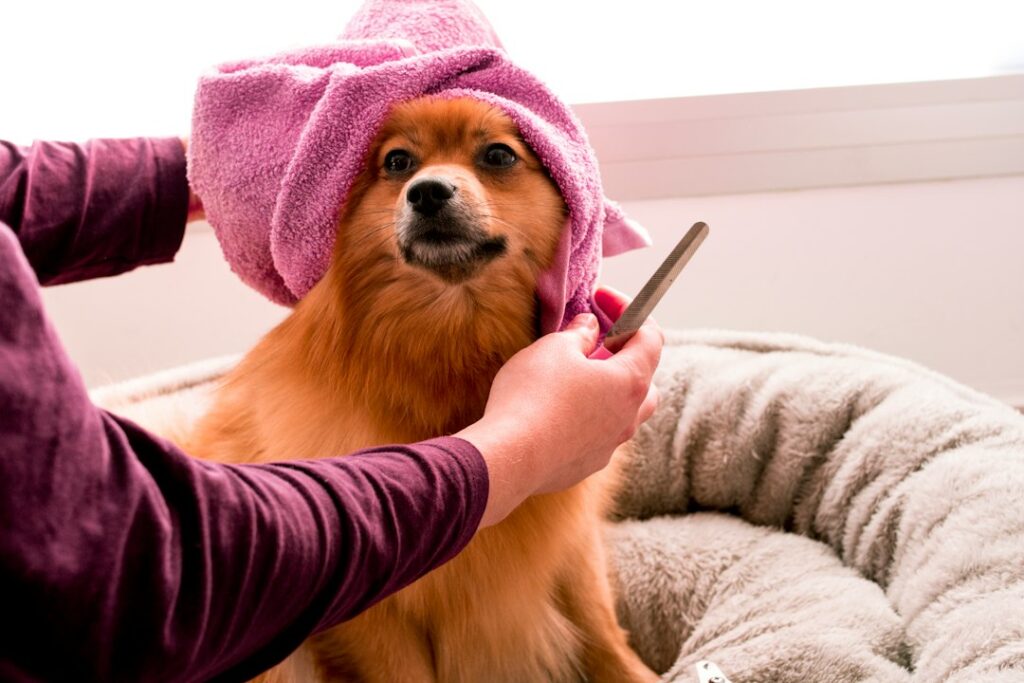
A first grooming appointment can feel unfamiliar to a pet, especially if it involves clippers, a dryer, nail trimming, bathing, unfamiliar people, or time away from home. Preparing gradually can reduce stress and help the visit go more smoothly.
What should happen before the first grooming visit?
The most useful preparation is gentle practice with the sights, sounds, handling, and routines a pet may experience during grooming. Short sessions at home are usually more effective than one long attempt.
Begin several days or weeks ahead when possible. Touch the ears, paws, tail, face, and legs briefly, then reward calm behavior. Run a soft brush over the coat without pulling. Lift each paw for a few seconds and lightly press a toe as if checking a nail.
Practice these activities while the pet is relaxed:
- Brushing in short, comfortable sessions
- Handling the paws and separating the toes
- Touching around the ears and face
- Looking at the teeth without forcing the mouth open
- Standing on a nonslip surface
- Hearing household appliances from a safe distance
- Remaining calm while someone works around the body
Stop if the pet shows fear, struggles intensely, growls, or tries to bite. The goal is familiarity, not endurance.
How can a pet become comfortable with grooming tools?
Pets often react to the sound and vibration of tools before they react to the grooming itself. Introduce tools gradually and never use a running clipper or dryer directly on a nervous animal without preparation.
Let the pet investigate a brush, comb, nail trimmer, or electric clipper while the tool is turned off. Offer praise or a small treat for calm behavior. Later, turn noisy equipment on across the room for only a few seconds. Increase the sound and distance slowly, stopping before the pet becomes distressed.
A household hair dryer can be especially startling. Never aim hot air at the face, ears, or sensitive skin. Keep the airflow cool or warm rather than hot, and avoid using a dryer if the pet is panicking. Some animals need a longer adjustment period for dryer noise than for bathing or brushing.
Should a pet eat before grooming?
A light meal several hours before grooming is usually more comfortable than a large meal immediately beforehand. A full stomach may increase the chance of nausea during travel, bathing, restraint, or dryer use.
Do not deliberately withhold food from a pet that has a medical condition, is very young, is elderly, or requires regular meals. Follow the animal’s normal feeding routine unless a veterinarian has given different instructions.
Bring familiar treats if they are safe for the pet. Small rewards can reinforce calm behavior during handling, but treats should not replace a needed meal or be given if the pet has dietary restrictions.
Water should generally remain available. Pets can become dehydrated during warm weather, travel, or a longer grooming session.
What should residents consider during Southern Pines weather?
Warm, humid weather can affect comfort before and after grooming. A pet with a dense coat may become overheated in a parked vehicle or while waiting outdoors, even when the temperature does not seem extreme to a person. Travel directly to and from the appointment, and never leave an animal unattended in a vehicle.
After bathing, a pet should be fully dry before spending extended time outdoors, particularly during cooler weather. Damp fur can make an animal uncomfortable and may cause mats to tighten as the coat dries.
Seasonal pollen, sandy soil, and outdoor debris can also create tangles or irritate the skin. A quick inspection of the paws, belly, ears, and coat before the visit can help identify burrs, mats, insect bites, or areas of tenderness that should be mentioned.
What information should be shared before grooming?
A groomer needs accurate information about the pet’s health, behavior, and coat history. Mention anything that could affect handling or safety, including:
- Fear of dryers, water, crates, or unfamiliar people
- Previous snapping, biting, panic, or escape attempts
- Skin irritation, lumps, wounds, rashes, or painful areas
- Ear infections, eye discharge, or persistent scratching
- Seizures, heart problems, breathing difficulties, or mobility concerns
- Recent surgery, illness, vaccination, or medication
- Sensitivity to shampoos or other grooming products
- Severe matting or a coat that has not been brushed for a long period

Do not assume that a pet’s nervous behavior is simply bad manners. Fear, pain, arthritis, ear disease, or skin problems can make routine handling difficult. Clear information allows the grooming process to be adjusted more safely.
Is it better to bathe a pet at home first?
Usually, a separate bath at home is not necessary unless it is part of a veterinarian’s treatment plan. Bathing immediately before grooming may leave the coat damp, cause additional handling stress, or hide skin changes that should be reported.
A pet with heavy matting should not be forcefully brushed just to prepare for the visit. Mats can pull on the skin and may conceal sores, parasites, or inflammation. Trying to cut mats with household scissors can result in serious skin injuries because loose skin may be caught in the mat.
If a pet is unusually dirty, covered in a substance, or exposed to something potentially toxic, follow appropriate veterinary or poison-control guidance rather than attempting an aggressive home cleanup.
What should a pet wear or bring?
Use secure, well-fitting walking equipment for travel. Check that collars, harnesses, and carriers are in good condition. A frightened pet may pull harder than usual, particularly near doors, parking areas, or unfamiliar surroundings.
Helpful items may include:
- A small amount of approved food or treats
- Medication instructions and necessary medication
- A written list of health concerns
- A familiar blanket for a carrier or resting area
- Emergency contact information
- Identification information in case the pet escapes
Avoid sending a favorite toy if the pet may guard it or become distressed when it is removed. Comfort items are helpful only when they support calm behavior.
How can a nervous pet be supported?
Keep the departure routine calm and ordinary. Avoid dramatic goodbyes, hurried movements, or repeated reassurance in an anxious tone, since these may signal that something alarming is about to happen.
For a particularly fearful pet, begin with very short handling exercises and build up gradually. Some animals benefit from a brief visit focused only on becoming familiar with the setting, but this should be arranged in advance and should not replace a discussion about the pet’s anxiety.
Never give a sedative, calming supplement, or human medication without veterinary direction. Products that seem mild can interact with existing medications or create dangerous effects.
What should happen after grooming?
After the first visit, watch the pet for signs of irritation, unusual fatigue, continued distress, or sensitivity around the skin, ears, paws, and nails. Mild tiredness after a stressful experience can occur, but persistent discomfort deserves attention.
Offer water, a quiet resting place, and time to settle. Avoid scheduling strenuous outdoor activity immediately afterward, especially during hot or humid weather. Check the coat and skin once the pet is calm, and make a note of what went well or caused difficulty.
The next grooming experience is often easier when preparation continues at home. Brief, positive handling sessions help the pet learn that brushing, paw checks, and gentle body contact are predictable parts of normal care.