

 See My Latest Article on HelloNation
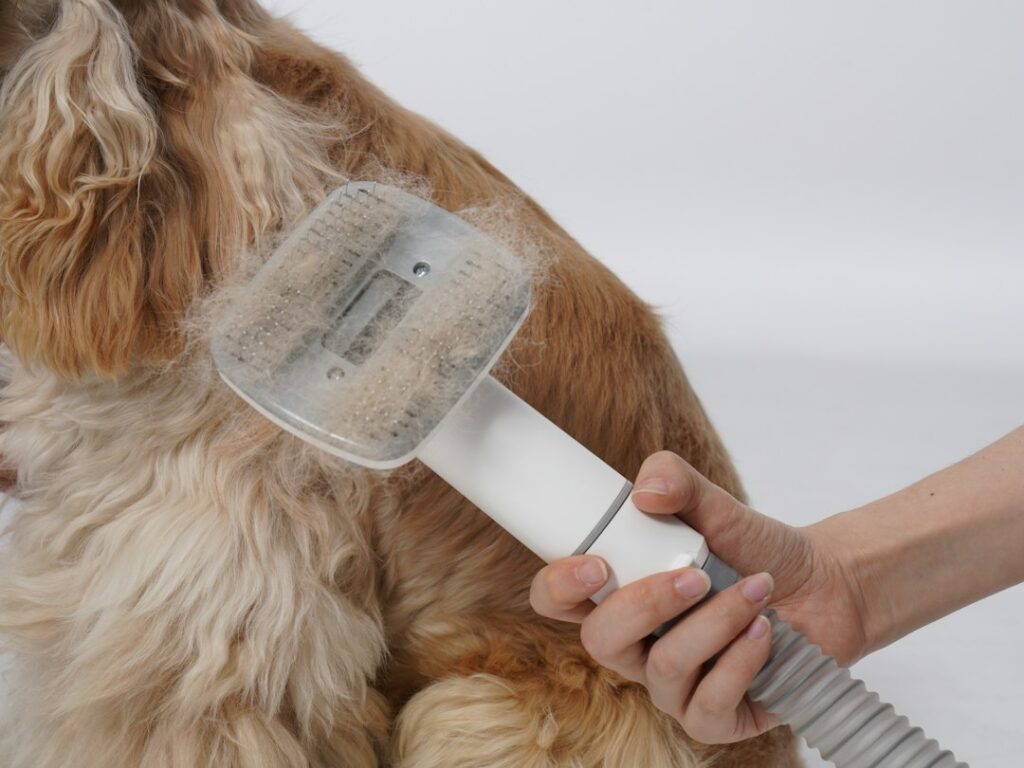
Why should pet grooming tools be cleaned regularly?
Clean grooming tools help reduce the spread of dirt, loose hair, skin oils, bacteria, fungi, and parasites between grooming sessions. In Southern Pines, NC, pets may pick up sand, pollen, grass particles, and moisture during outdoor activities, making routine tool care especially useful for household hygiene and skin health.
Brushes, combs, nail clippers, grooming scissors, bathing tools, and reusable towels can all collect residue. If that buildup is brushed back onto a pet, it may irritate the skin or carry microorganisms into small scratches, irritated areas, or the eyes and ears.
Cleaning tools does not replace veterinary care. However, it is a basic preventive habit that supports a cleaner grooming routine and makes it easier to notice changes in a pet’s coat, skin, nails, or overall comfort.
What can build up on grooming tools?
Grooming equipment often collects more than visible hair. Common materials include:
- Dander and skin flakes
- Natural skin oils
- Mud, sand, and outdoor debris
- Pollen and plant material
- Moisture that can support microbial growth
- Fleas, flea dirt, or other parasites
- Small amounts of blood from accidental nail or skin nicks
- Shampoo residue and dried coat products
A brush may look clean after loose hair is removed while still carrying oil, dander, and microscopic debris between its teeth. Nail clippers can also collect keratin, dust, or blood if a nail is trimmed too closely.
How often should grooming tools be cleaned?
The right schedule depends on the tool and the pet, but tools used directly on the coat or nails should be cleaned after each grooming session whenever practical. A more thorough washing and disinfection routine is appropriate at least weekly for frequently used equipment.
Clean tools immediately if:
- A pet has a skin infection, open sore, parasite problem, or unexplained rash
- The tool contacts feces, urine, vomit, or another contaminant
- Blood appears on a clipper, comb, or pair of scissors
- Multiple pets share the same equipment
- The item was used outdoors or became damp
- The tool has a noticeable odor, sticky residue, or discoloration
Pets with allergies or recurring skin irritation may benefit from especially consistent tool cleaning. A dirty brush can reintroduce irritants even after the coat has been washed.
What is the safest way to clean brushes and combs?
Start by removing trapped hair with the fingers, a narrow comb, or a tool designed for that purpose. Avoid forcing debris out with excessive pressure, which can bend pins or damage the brush.
For washable brushes and combs:
1. Rinse away loose debris with warm water.
2. Wash the tool with mild soap or dish detergent.
3. Use an old toothbrush to clean between pins, teeth, and seams.
4. Rinse thoroughly so no soap remains.
5. Disinfect with a pet-safe product according to its label directions, when appropriate.
6. Rinse again if the product instructions require it.
7. Dry the tool completely before storing it.
Complete drying is essential. A damp brush placed in a closed container can develop mildew or an unpleasant odor. Set items in a clean, well-ventilated area, with bristles or teeth exposed to air.

Wooden-handled tools, natural-bristle brushes, and items with glued parts may not tolerate soaking. For those tools, wipe and scrub carefully without saturating the handle, then dry them promptly.
How should nail clippers and grooming scissors be maintained?
Nail clippers should be wiped clean after every use and disinfected regularly. If a clipper contacts blood, clean it promptly and follow the disinfectant’s required contact time. The tool must remain visibly wet for the full period listed on the label to work as intended.
Grooming scissors should be handled carefully. Wipe the blades with a clean cloth, remove hair from the hinge, and use an appropriate instrument disinfectant when the manufacturer permits it. Do not use a dull or damaged pair around a moving pet. Rough blades can pull hair, while a loose hinge can make trimming less controlled.
Never share nail tools with household people unless they have been thoroughly cleaned and disinfected. Pet nails can carry soil and microorganisms that should not be transferred to human grooming equipment.
Can household cleaners be used on pet grooming equipment?
Some household cleaners are unsuitable for tools that touch a pet’s skin. Strong fragrances, concentrated chemicals, and products containing ingredients that are unsafe if licked may cause problems, especially for pets with sensitive skin or respiratory conditions.
Read the label before using any disinfectant. Follow the recommended dilution, contact time, ventilation instructions, and rinsing requirements. Do not mix cleaning chemicals. In particular, mixing products that contain bleach, ammonia, acids, or other reactive ingredients can create dangerous fumes.
After cleaning, tools should not smell strongly of chemical residue. If a pet licks or chews a tool, keep the item away until it has been rinsed as directed and fully dried.
What about grooming tools used for more than one pet?
Shared tools require extra attention because they can transfer skin conditions and parasites from one animal to another. This is particularly relevant in homes with several dogs or cats, or when pets have different medical histories.
A practical approach is to clean and disinfect shared tools between pets. If one animal has hair loss, scabs, persistent itching, a suspected fungal infection, or external parasites, do not use the same equipment on another pet until the situation has been addressed and the tools have been properly cleaned.
Separate brushes or combs can also be useful for pets with different coat types. A tool used on a muddy, long-haired coat may need more cleaning than one used briefly on a short-haired indoor pet.
Why does storage matter after cleaning?
Clean tools can become contaminated again if they are stored on a bathroom floor, in a damp tub, or in a closed bag while wet. Store dry equipment in a clean, ventilated container or cabinet away from litter boxes, outdoor footwear, dirty laundry, and food-preparation surfaces.
In a home where pets spend time outdoors, sand and seasonal plant material can enter on paws and coats. Keeping grooming tools off the floor and checking them before each use helps prevent that debris from being worked back into the fur.
Inspect tools regularly for rust, cracked plastic, loose teeth, bent pins, sharp edges, or damaged cords. Replace equipment that cannot be cleaned thoroughly or that may scratch the skin.
What signs suggest a pet’s grooming tools may be causing irritation?
A pet may react to contaminated or damaged equipment by scratching, licking, shaking the head, avoiding grooming, or developing redness after brushing. These signs do not prove that the tools are the cause; allergies, parasites, infections, and other medical conditions can look similar.
Stop using the questionable tool, clean or replace it, and observe the pet’s skin and behavior. Veterinary advice is appropriate for persistent itching, spreading redness, open sores, hair loss, discharge, pain, or changes that do not improve.
Clean tools are a simple part of responsible pet care. They protect the condition of the equipment, reduce avoidable contamination, and make routine grooming more comfortable for pets and the people caring for them.