

 See My Latest Article on HelloNation
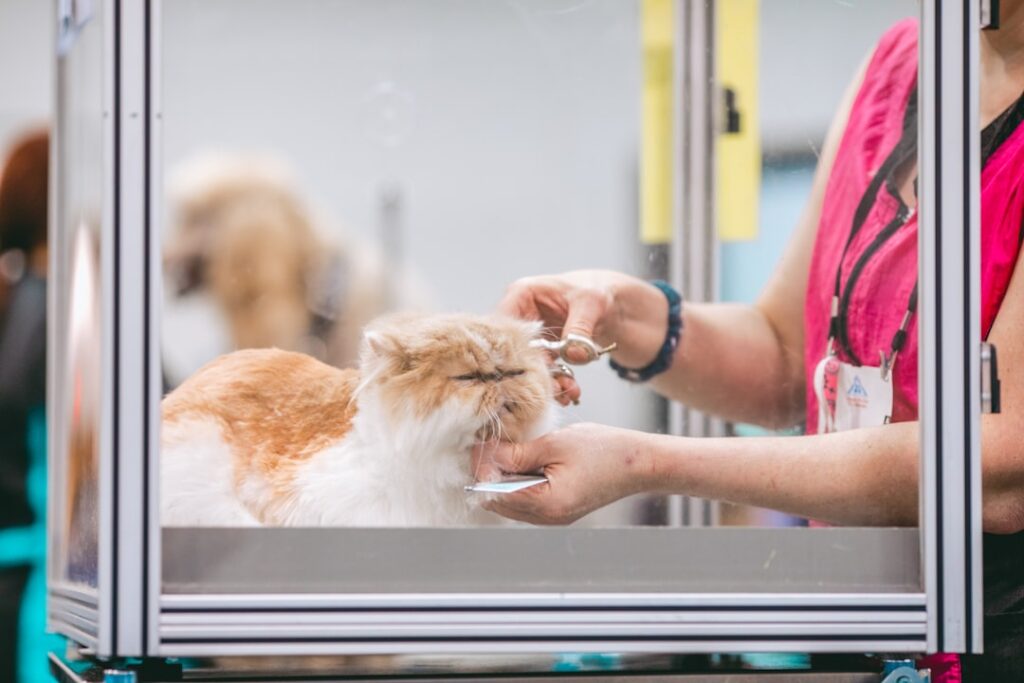
Why Do Pets Shed, and When Is Shedding Season in Southern Pines, NC?
Most dogs and cats shed year-round, but there are usually two peak seasons: spring and fall. Animals lose their old coats to make way for new growth in response to changes in daylight and temperature. In Southern Pines, spring’s longer days and mild weather typically kick start major shedding for many breeds, while late fall triggers another significant coat change. Local households may notice increased tufts of fur on furniture, floors, and clothing during these periods.
Short-haired and long-haired breeds both shed, but the volume and visibility can vary. Double-coated breeds like Huskies and Retrievers tend to have especially noticeable seasonal change, while short-haired pets may shed lightly throughout the year, ramping up during peak transitions.
What Can Area Residents Expect During Peak Shedding?
During shedding season, pet owners in the community frequently report:
- Extra clumps of fur on floors and fabrics
- Hair drifting through the air after petting or brushing
- Some mild itchiness or discomfort in pets as they lose old fur
For households with multiple pets or allergy-sensitive members, the temporary increase in fur may require practical adjustments in cleaning and grooming routines. The local sandy soils and pine needle debris found throughout the city can also contribute to pets tracking outdoor allergens or plant matter into the home, mixing with shed fur.
How Should Shedding Be Managed at Home?
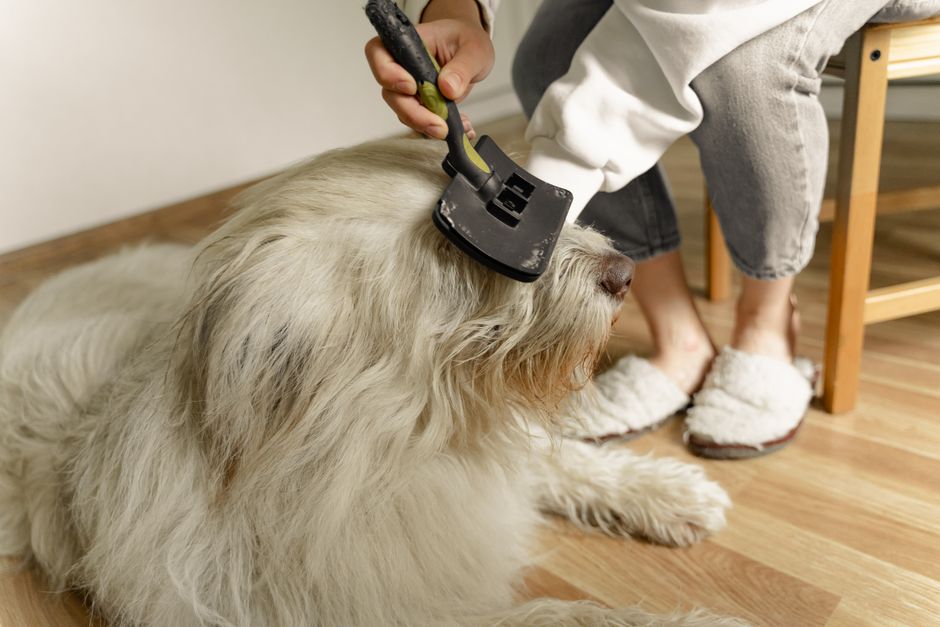
Brushing is the most effective home strategy for managing shedding. Consistent grooming captures loose fur before it spreads, maintains coat health, and gives pet owners a chance to check for skin issues or parasites.
Here are approaches tailored to local homes and pet types:
- Use a de-shedding tool or undercoat rake for double-coated breeds; these reach both topcoat and undercoat.
- Bristle or rubber brushes can be gentler for smooth-coated breeds and short-haired cats.
- For households with carpet or upholstery, vacuum frequently to remove fur and reduce the spread of allergens.
- Bathe pets occasionally with mild pet-safe shampoo; bathing more than needed can dry out skin, especially during Southern Pines’ lower humidity months.
- Launder bedding often, as pets tend to shed most heavily where they sleep.
Brushing outdoors—ideally in a fenced area—or on hard surfaces makes cleanup much easier and prevents fur from becoming airborne inside the home.
Do Nutrition or Health Issues Affect Shedding?
A normal increase during seasonal transitions is expected, but sudden, extreme, or patchy hair loss may suggest underlying health problems. Some area residents may not realize that high-shedding could be related to:
- Poor diet, often with inadequate essential fatty acids
- Parasites like fleas, which are active in Southern Pines’ warmer months
- Underlying skin conditions or allergies, occasionally triggered by pollen or common outdoor plants
For persistent bald spots, sores, or behavioral changes (like frequent scratching or licking), a veterinarian should evaluate the pet to rule out medical concerns. Otherwise, routine coat changes are a normal part of animal life in the city’s climate.
Are There Household Habits That Minimize Shedding’s Impact?
To keep fur levels manageable during peak season, area households often benefit from small routine changes:
- Use washable throws or covers on favorite pet furniture
- Brush pets in a consistent location—an easy-to-clean mudroom or porch works well
- Use a lint roller or damp rubber glove to pick up hair from clothing and car seats, especially before events or local gatherings
Many residents find it helpful to establish a regular pet-washing schedule after outdoor play, especially in local parks. This not only removes loose fur but helps reduce the pollen and pine sap that can stick to coats.
Common Misconceptions
Some believe shaving double-coated breeds stops shedding. In reality, shaving can damage protective layers of fur and reduce a pet’s ability to regulate temperature—especially important in Southern Pines’ fluctuating spring and autumn conditions.
Others assume indoor pets won’t shed as much. While temperature-controlled homes may blunt extremes, indoor pets are still influenced by daylight changes and natural cycles.
How Does Southern Pines’ Climate Influence Shedding?
The region’s mild winters and humid summers affect the rhythm of pet coat changes. Short periods of exposure to warm spells in February or March may trigger early shedding for some pets. High humidity can also make loose fur feel stickier or more noticeable on skin and surfaces.
Because Southern Pines contains many wooded and sandy outdoor areas, pets spending time in yards or parks may bring additional plant matter or debris indoors, which can get tangled in shedding fur. Integrating post-walk brushing and regular paw wipes can help local households manage seasonal messes more effectively.
Residents who participate in (or attend) outdoor events with pets—local markets, parks, or trails—may find it useful to carry a small brush or dust-off cloth during shedding peaks, to reduce fur transfer into cars and public spaces.
When Should Residents Seek Extra Guidance?
Most shedding is manageable with at-home care and routine attention. Guidance from a veterinarian is recommended only if excessive shedding seems linked to health problems, accompanied by other symptoms, or if a pet’s coat appears dull, patchy, or unusually sparse between seasons.
Adjusting to southern North Carolina’s changing weather patterns, local pets may need additional support during particularly severe pollen seasons or after outdoor adventures in heavily wooded areas.